
Understanding the Modern Electronics Assembly Process
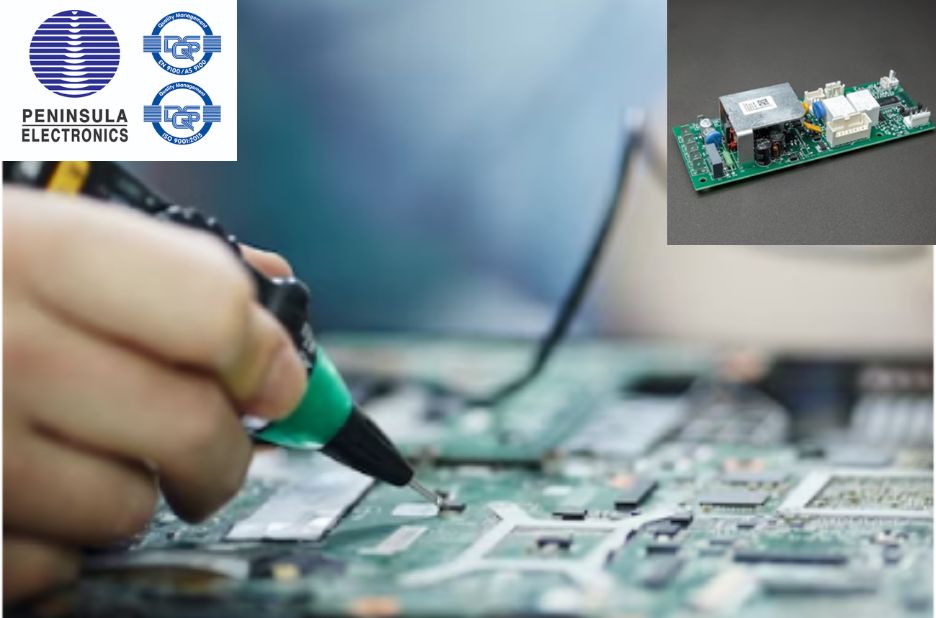
In today’s fast-paced electronics industry, efficient and precise assembly methods are critical for product success. Surface Mount Technology (SMT) manufacturing has revolutionized how electronic components are mounted on printed circuit boards (PCBs), allowing for smaller, more complex, and higher-performing devices. This technology involves placing components directly onto the surface smt manufacturing of PCBs rather than inserting them through drilled holes, which optimizes space and enhances manufacturing speed. Companies specializing in EMS electronics play a vital role in integrating these advanced techniques into their production lines, ensuring quality and reliability in every device.
Key Advantages of SMT Manufacturing
SMT manufacturing offers numerous benefits over traditional assembly methods. First, it supports miniaturization, enabling the creation of compact circuits essential for modern gadgets. Second, it enhances production speed, as automated placement machines can position components rapidly and accurately. Additionally, SMT improves electrical performance by reducing lead lengths and parasitic elements, all ems electronics of which contribute to better signal integrity. These attributes make SMT manufacturing a preferred choice for a wide range of industries, including consumer electronics, automotive, medical devices, and telecommunications. EMS electronics providers leverage these advantages to deliver tailored solutions to their clients.
Challenges and Solutions in SMT Production
Despite its benefits, SMT manufacturing comes with challenges that require expert handling. Component placement demands high precision, and even minor misalignments can cause defects or failures. Moreover, soldering processes must be carefully controlled to ensure reliable electrical and mechanical connections without damaging sensitive parts. Manufacturers often face the need to balance speed and quality while managing costs effectively. Advanced inspection techniques, such as automated optical inspection (AOI) and X-ray analysis, are commonly employed to detect faults early. Partnering with experienced EMS electronics providers helps mitigate these challenges through rigorous quality control and continuous process improvement.
Integration of Testing and Quality Assurance
Quality assurance is a cornerstone of successful SMT manufacturing. After assembly, PCBs undergo comprehensive testing to verify functionality and durability. Functional testing ensures that circuits perform as intended under real-world conditions, while environmental stress testing checks for robustness against temperature changes, vibration, and humidity. EMS electronics companies integrate these testing phases seamlessly into the production workflow to minimize errors and rework. This integration allows for early detection of potential issues, reducing time-to-market and increasing customer satisfaction. Continuous quality monitoring also supports scalability and compliance with industry standards.
Conclusion
Expert SMT manufacturing is essential for delivering high-quality PCB assembly, testing, and integration services. By utilizing advanced technologies and stringent quality controls, EMS electronics providers can efficiently produce reliable and scalable electronics. Peninsula Electronics exemplifies this expertise, offering cost-effective solutions tailored to meet diverse industry requirements. Their commitment to precision and innovation ensures that every product leaving their facility adheres to the highest standards, making them a trusted partner in the electronics manufacturing sector.