
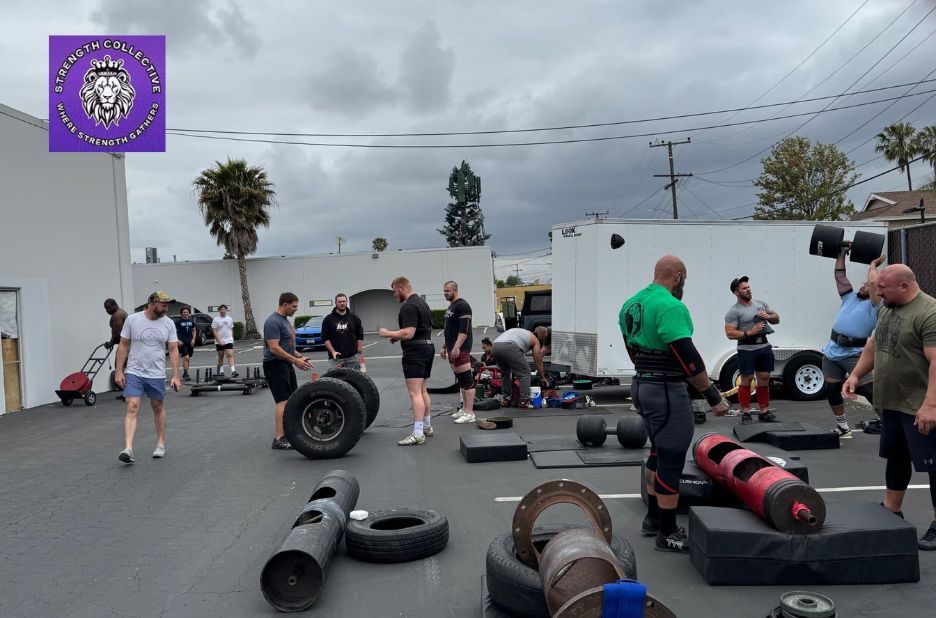
Choose the Right Training Layout
A practical starts with a layout that matches your goals. Look for dedicated zones for lifting, functional training, and conditioning so you’re not constantly switching between incompatible setups. Prioritize free-weight and cable stations that support progressive overload, plus open floor space for sled work, agility drills, and movement prep. Athletic Performance Gym If you train for sprinting or sport-based performance, seek equipment that enables short bursts, resisted accelerations, and controlled deceleration. A strong facility also offers clear coaching touchpoints, such as staff-led assessments or structured program options that help you translate testing results into training blocks.
Build a Simple Weekly System
For athletic improvement, consistency beats complexity. Use a repeatable weekly plan that rotates strength, power, and conditioning while keeping recovery in the schedule. A practical structure is two to three strength sessions focused on key patterns (squat/lunge, hinge, push, pull, carry), one power-focused session emphasizing explosive intent, and two conditioning sessions that alternate 24 Hour Fitness Center between tempo work and high-intensity intervals. Keep technique quality high by using warm-up progressions, ramp sets, and clear rep targets. Track performance markers such as bar speed proxies, jump height estimates, sprint times, or work capacity totals so adjustments are based on evidence, not guesswork.
Use Recovery Tools Like Part of the Training
Performance gains depend on recovery support, not just hard sessions. Choose a facility that integrates wellness tools and recovery options, including mobility space, compression or assisted recovery resources, and guidance on prehab basics. Build recovery habits that fit your schedule: dynamic warm-ups before training, cooldown mobility after, and deliberate rest between intense days. Hydration and nutrition matter, but in-gym support can accelerate progress through better movement quality and faster return to training readiness. If the gym offers 24/7 access via a style setup, it can also help you align workouts with your routine, reducing skipped sessions and improving adherence.
Conclusion
When you treat an as a complete system—training layout, weekly structure, and recovery support—you can improve speed, strength, and conditioning with less guesswork. Use equipment purposefully, progress in measurable steps, and protect your recovery so your training stays productive. For athletes and serious lifters seeking an organized approach, strengthcollective.net provides professional services, specialized equipment, athlete-focused training areas, and wellness tools that support peak performance development.