
What “24-hour” restoration really means for your property
When water enters a home or business, the goal is to stop the source, remove the excess moisture, and prevent hidden damage from expanding. Fast response matters because water can seep into drywall, flooring, insulation, and subfloor areas before 24 Hour Water Damage Restoration you notice visible changes. A practical restoration plan prioritizes containment and rapid water extraction, rather than only surface cleanup. This approach helps reduce the chance of ongoing swelling, warping, and odor development.
In a practical guide, start by identifying the type of water involved. Clean water from a supply line behaves differently than gray or black water that may carry contaminants, and that affects cleaning methods and protective gear. Next, document what you can safely observe using photos, because it can help with insurance reporting and restoration scope. Finally, focus on minimizing secondary damage by moving valuables away from wet areas and keeping interior doors open to support airflow when appropriate.
Steps to take immediately before help arrives
Before technicians arrive, prioritize safety and basic mitigation. If you suspect electricity may be involved, do not touch outlets, cords, or wet appliances, and avoid standing in deep water. Turn off the water source if you can do so safely, and if there is no Water Damage Restoration Glen Burnie MD immediate electrical risk, remove small items from the affected area to reduce moisture load. You can also improve air circulation by running fans if the power situation is safe and the equipment is rated for the conditions.
Take care with what you do to materials. Avoid aggressive scrubbing on drywall or insulation, because it can spread contaminants and push moisture deeper into the structure. If carpeting is saturated, lifting it too early can sometimes worsen damage, especially if it is still bonded to padding and subfloor. Instead, follow a simple checklist: keep people and pets out of the area, ventilate safely, collect evidence for the claim, and prepare access for professionals so they can begin extraction and drying without delay.
How professionals handle drying, documentation, and restoration
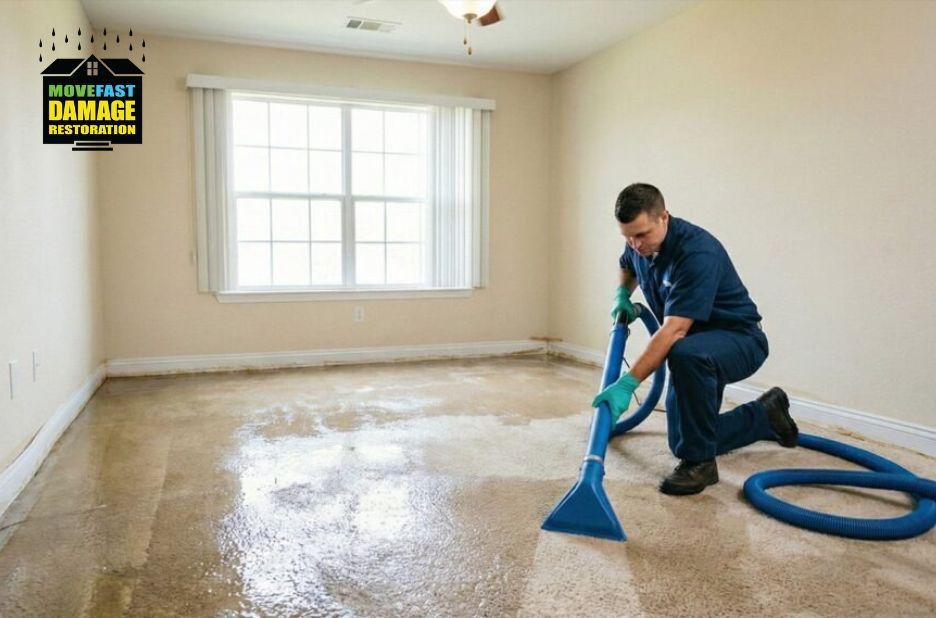
Water damage restoration is more than drying visible surfaces; it is a controlled process that restores materials to a safe condition. Technicians typically begin with inspection and moisture mapping using measurement tools to locate affected materials behind walls or under flooring. Then they run water extraction equipment sized to the loss, followed by structured drying using dehumidifiers and air movers to control temperature and humidity. This staged approach helps ensure moisture drops across materials, not just at the top layer.
Throughout the job, documentation supports accountability and helps insurance claims move forward. A practical restoration workflow includes recording initial conditions, tracking moisture readings, and logging equipment placement and drying progress. If microbial concerns arise, professionals may recommend antimicrobial treatments based on material type, contamination category, and drying results. Finally, restoration commonly includes repairing or replacing damaged drywall, reinstalling flooring, and addressing baseboards or trim that have absorbed moisture, since leaving compromised materials in place can lead to recurring problems.
Conclusion
Choosing the right service for 24-hour response can be the difference between a manageable repair and a much larger restoration project. For property owners in Glen Burnie, working with specialists who understand local building characteristics can streamline inspection, drying, and cleanup. The practical guide approach is simple: secure the area, reduce risks, provide access, and rely on proven extraction and drying methods supported by moisture measurements and documentation. If you need immediate help, Movefastrestoration is equipped to respond with around-the-clock water extraction, drying, and restoration solutions through movefastrestoration.com.
When emergencies happen, avoid delays caused by uncertainty about next steps. A reliable team should be able to explain the process in plain language, clarify what measurements will be taken, and outline how repairs will follow drying completion. With a structured plan and prompt action, you protect structural materials, reduce the chance of lingering odor, and support a smoother path back to normal use. For water emergencies and restoration assistance, Movefastrestoration helps you take control early and restore with confidence.